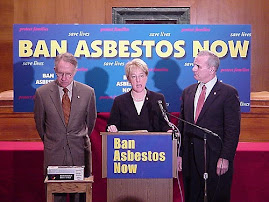
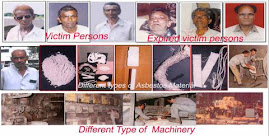
Note: Asbestos is banned in some 50 countries because it causes incurable diseases.
Incorporated in 1946, Hyderabad Industries Limited (HIL) is the flagship company of C. K. Birla group of company. Company’s manufacturing units are situated in Hyderabad, Faridabad, Jasidih, Dharuhera, Thimmapur, Vijayawada, Chennai, Thrissur, Wada, Sathariya and Balasore. HIL is the market leader in asbestos-based roofing industry under the brand name of “CHARMINAR”.
Both the division of the company has performed exceptionally well. Building Products division is high margin business of the company, contributing 95% to sales in FY09. Revenues from Building products increased by 28% and Thermal Insulation Products increased by 29% on Y-o-Y basis in FY09. PBIT for Building products increased massively by 210%, however PBIT for thermal insulation product division declined by 2%.
During the quarter ended on 31st Dec, 2009 the net sales of the company reported an increment of 13% on y-o-y basis to Rs 146.01cr as against Rs 129.64cr during the corresponding quarter last year. The operating profit for quarter increased by massive 65.44% to Rs
27.43cr against Rs 16.58cr, largely on account of increased revenue of the company.
Net profit for the quarter rose by an impressive 120.45% y-o-y basis to Rs 14.55cr as against Rs 6.6cr during the corresponding quarter last year. The current price of Rs 54 discounts the company's Q3 December 2009 annualized EPS of Rs 96.36, by a PE multiple of 6.18.
Hyderabad industries is the market leader in asbestos based roofing industry with installed capacity of 764500 MT and market share of around 20.5% and is also largest manufacturer of calcium silicate, insulation blocks, pipe sections and jointing for gasketting.
The cement products manufacturers, manufactures value-added utility building products like Fibre Cement Sheets, Autoclaved Aerated Cement Blocks, Aerocon Panels and Fibre Cement Boards. There are 17 major players in this industry with about 63 manufacturing unit. Everest industries, Hyderabad industries, Ramco industries and Visaka industries are the major domestic players.
The efficiency of the companies in this sector is apprehended by the ability of the firm to source inputs at reasonable cost as well as the scale of operation. The cement product industry especially the asbestos cement manufacturers celebrates thrust given by the government on rural infrastructure – especially on rural housing through Indira Awaas Yojana which is a positive indicator because cement product sector derives sizeable portion of demand from rural housing sector and rest from industrial sheds. So the players with strong focus on rural segment like, Everest industries and strong brand s are better placed. Post monsoon the demand in northern market may continue to be strong driven mainly by the common wealth game related development activity.
Union Budget 2009-10 has increased the excise duty incidence on cement products from 4% to 8%. But with speedy implementation of infrastructure and development projects, it will help Cement and Cement Product sectors industry to sustain its strong demand. Cement is the major input used by the industry especially the asbestos cement manufacturers. According to CMIE (Center For Monitoring Indian Economy) cement prices are expected to weaken in second half of 2009-10 as 35 million tonnes of fresh cement capacity will come on stream, which will put pressure on realizations of company.
A total addition of 270,000 MT in the sheeting industry during the year along with 4.5% growth rate in sheeting industry has put pressure on pricing and sales volume. Chrysotile asbestos sheets which is one of the major raw material used in cement product industry is majorly imported from china and brazil, so depreciated Indian rupee will hit industry margins.
Growth for Cement product industry depends on Real estate and construction and nfrastructure relted activity. With the initiatives made by the government in various infrastructure projects, road networks and housing facilities, coupled with the housing sector boom and urban and rural development, high growth in the cement product industry is expected in forthcoming years.
Fibre cement sheets are gaining popularity because of their strong physical properties as compared other roofing materials. The fiber cement industry is estimated to grow at 5% for financial year 2009-10.
Asbestos cement industry is growing at 10-12%. Industry was relatively untouched by global turmoil but industry may find it difficult to survive with campaigns against asbestos products. If asbestos loses out then companies with diversified product portfolio with be able to outperform.
Cement is a necessary component of infrastructure development and a basic raw material for the construction industry. The total utilization of cement in a year is used as an indicator of economic growth. India is the world's second largest producer of cement after China, with cement companies adding nearly eight million tonnes (MT) capacity in April 2009, taking the total installed capacity to 219 MT.
Hyderabad industries limited is leading manufacturer of fibre cement sheets in india with an estimated market share of about
20.5%
HIL outperformed fibre cement sheet industry with 7% growth as compared to 4.5% growth of industry.
Company is making continous efforts to increase production capacity of of existing plants so as to retain significant share in the market.
In order to expand its product reach company is assessing strategic locations to set up new plants
With the growing demand for thermal insulation products, company is assessing development of new applicatons and strategic acquisition to increase market size.
During FY 2009 Company gross revenue registered a growth of 27% to Rs 663.97 crores from Rs 523.47 crores previous
Fibre cement sheet being the main product accounts for about 85% of company¡¦s sales. Production and sales (quantity) registered a growth of 1% and 7% to 668955 MT and 698119 MT respectively for FY 2009
New units at Balasore & Vijaywada for fibre cement sheets and Surat for AAC plants getting streamlined will improve margins of comapny.
Production and sales (quantity) of thermal insulation products have increased by 19% and 21% to 4616 MT and 2728 MT respectively for FY 2009. With the success of Green Building products and sucessful expansion taken by the company we expect further growth in this product line.
This publication has been solely prepared for the information purpose and does not constitute a solicitation to any person to buy or sell a security. While the information contained therein has been obtained from sources believed reliable investors are advised to satisfy themselves before making any investments.
Fairwealth Securities Pvt Ltd does not bear any responsibility for authentication of the information contained in the reports and consequently is not liable for any decision taken based on the same. Further Fairwealth Research report only provides information updates and analysis.
All opinions for buying and selling are available to investors when they are registered clients Of Fairwealth Investment advisory services. As a matter of practice, Fairwealth refrains from publishing any individual names with its reports. As per SEBI requirements it is stated that, Fairwealth securities Pvt Ltd, and/or individuals thereof may have positions in securities referred herein and may make purchases or sale while this report is in circulation.
Wednesday, February 10, 2010

Monday, February 8, 2010
Workers and activists demand ban on asbestos
Trade unions, human rights activists and workers demonstrated in front of FICCI House in New Delhi on 5 Feberuary and called upon the governments of India and Canada to halt the trade in white asbestos. They urged them to invest instead in addressing the occupational and safety concerns of workers and consumers using asbestos and ensuring compensation to all harmed by asbestos.
The demonstration was organised by AICCTU, AITUC, TUCC, NTUI and BANI to bring the issue to the attention to the Canadian leader Jean Charest currently visiting India. A joint letter was also sent to Indian Prime Minister Dr. Manmohan Singh by several trade unions and NGOs calling upon him to immediately Ban Asbestos and to ensure passage of the White Asbestos (Ban on Use and Import) Bill 2009 pending in Parliament.
In a press conference today, activists and labour union leaders alleged that the powerful asbestos industry was intimidating and silencing workers, doctors, scientists and activists from articulating the facts about the deadly effects of asbestos. They said that medical experts and scientists all over the world have been warning of the health effects of asbestos usage but governments of India and Canada are ignoring such warnings.
Trade union leaders and human rights activists also sent a message to Quebec's Premier Mr. Charest to stop shipping chrysotile asbestos to India when his own government was spending millions of dollars to remove chrysotile asbestos from Quebec's schools, hospitals and buildings. Mr. Charest was exhorted to listen to the world's leading, authoritative scientific institutions and experts who are asking him to stop exporting asbestos. The speakers appealed to Mr Charest to respect Canada's respectable human rights record and to put people over profit and disclose the truth about chrysotile asbestos with India.
An appeal was also made to Dr. Manmohan Singh to face the truth that Quebec's public health tragedy was being exported to India even as chrysotile asbestos was banned there. The activists alleged that with declining use for asbestos in developed countries, asbestos trade is being shifted toward developing countries.
The speakers at the demonstration claimed that a powerful message was sent out that developing countries can not be turned into global dumping grounds through transfer of hazardous industries and hazardous waste without regard for the human and environmental rights.
Trade unions and activists called upon Dr. Manmohan Singh and Mr. Charest to:
* Ban mining, manufacture, use and trade of asbestos in India and Canada
* Let the health experts set the policy on asbestos
* Revise their stand and support the listing of chrysotile asbestos in the PIC list of the Rotterdam Convention
* Ratify the ILO Convention on Asbestos
* Close all asbestos mines and take concrete steps to address the occupational, safety and compensatory concerns of workers employed in asbestos related industries
Few workers afflicted with asbestos related diseases claimed in the press conference that they were sufferings from the incurable illnesses with no legal and medical remedy in sight.
The Press Conference was co-organised by Building and Wood Workers' International, Delhi Asangathit Nirman Mazdoor Union, New Trade Union Initiative, Occupational & Environmental Health Network of India and Ban Asbestos Network of India (BANI).
http://www.d-sector.org/article-det.asp?id=952&idFor=952
The demonstration was organised by AICCTU, AITUC, TUCC, NTUI and BANI to bring the issue to the attention to the Canadian leader Jean Charest currently visiting India. A joint letter was also sent to Indian Prime Minister Dr. Manmohan Singh by several trade unions and NGOs calling upon him to immediately Ban Asbestos and to ensure passage of the White Asbestos (Ban on Use and Import) Bill 2009 pending in Parliament.
In a press conference today, activists and labour union leaders alleged that the powerful asbestos industry was intimidating and silencing workers, doctors, scientists and activists from articulating the facts about the deadly effects of asbestos. They said that medical experts and scientists all over the world have been warning of the health effects of asbestos usage but governments of India and Canada are ignoring such warnings.
Trade union leaders and human rights activists also sent a message to Quebec's Premier Mr. Charest to stop shipping chrysotile asbestos to India when his own government was spending millions of dollars to remove chrysotile asbestos from Quebec's schools, hospitals and buildings. Mr. Charest was exhorted to listen to the world's leading, authoritative scientific institutions and experts who are asking him to stop exporting asbestos. The speakers appealed to Mr Charest to respect Canada's respectable human rights record and to put people over profit and disclose the truth about chrysotile asbestos with India.
An appeal was also made to Dr. Manmohan Singh to face the truth that Quebec's public health tragedy was being exported to India even as chrysotile asbestos was banned there. The activists alleged that with declining use for asbestos in developed countries, asbestos trade is being shifted toward developing countries.
The speakers at the demonstration claimed that a powerful message was sent out that developing countries can not be turned into global dumping grounds through transfer of hazardous industries and hazardous waste without regard for the human and environmental rights.
Trade unions and activists called upon Dr. Manmohan Singh and Mr. Charest to:
* Ban mining, manufacture, use and trade of asbestos in India and Canada
* Let the health experts set the policy on asbestos
* Revise their stand and support the listing of chrysotile asbestos in the PIC list of the Rotterdam Convention
* Ratify the ILO Convention on Asbestos
* Close all asbestos mines and take concrete steps to address the occupational, safety and compensatory concerns of workers employed in asbestos related industries
Few workers afflicted with asbestos related diseases claimed in the press conference that they were sufferings from the incurable illnesses with no legal and medical remedy in sight.
The Press Conference was co-organised by Building and Wood Workers' International, Delhi Asangathit Nirman Mazdoor Union, New Trade Union Initiative, Occupational & Environmental Health Network of India and Ban Asbestos Network of India (BANI).
http://www.d-sector.org/article-det.asp?id=952&idFor=952
Friday, February 5, 2010
Governments Betray Workers by opposing BAN ON ASBESTOS


PRESS RELEASE: 5 February 2010, New Delhi
Indian and Canadian Governments Betray Workers by opposing
a BAN ON ASBESTOS
Stop! silencing workers, doctors, scientists and activists
Trade unions, human rights activists and workers today demonstrated in front of FICCI House and called upon the governments of India and Canada to halt the trade in white asbestos. They urged them to invest instead in addressing the occupational and safety concerns of workers and consumers using asbestos and ensuring compensation to all harmed by asbestos.
A joint letter was also sent to Dr. Manmohan Singh by AICCTU, AITUC, TUCC, NTUI and BANI calling upon him to immediately Ban Asbestos and ensure passage of the White Asbestos (Ban on Use and Import) Bill 2009 pending in Parliament.
At the press conference today speakers from several organisations called upon Dr. Manmohan Singh, Prime Minister of India and Mr. Charest visiting premier (chief minister) of Quebec to stand up to the powerful asbestos industry in both countries which is spending millions of dollars to intimidate and silence workers, doctors, scientists and activists from articulating a truth that has been gathered over 300 years by medical experts and scientists, namely – that asbestos kills! There is no safe use of asbestos!
Mr Charest STOP! this hypocrisy
Trade unions and human rights activists sent a message to Mr. Charest to stop shipping chrysotile asbestos to India when his own government is spending millions of dollars to remove chrysotile asbestos from Quebec's schools, hospitals and buildings. Quebec’s own health experts have told Mr. Charest that the evidence is undeniable that it is impossible to manage chrysotile asbestos safely. Mr. Charest was exhorted to listen to the world's leading, authoritative scientific institutions and experts who are asking him to stop exporting asbestos. The speakers appealed to Mr Charest to respect Canada’s tremendous human rights record and put people over profit and tell the truth about chrysotile asbestos. He is on a trade mission promoting education & science and accompanied by Quebec university presidents. Therefore they should speak up to defend scientific freedom of speech!
Dr Manmohan Singh – ACT NOW! to prevent another Bhopal
Trade unions and human rights activists urged Dr. Manmohan Singh to face the truth that Quebec is exporting its public health tragedy to India even as it has stopped use of chrysotile asbestos in its own country. The Indian government should recognise that in face of declining use for asbestos in developed countries, corporate greed has forced a shift in asbestos trade toward developing countries. Today a powerful message was sent out that our countries can not be turned into global dumping grounds through transfer of hazardous industries and hazardous waste without regard for the labour-, human- and environmental rights.
Trade unions and activists called upon Dr. Manmohan Singh and Mr. Charest to:
• Ban mining, manufacture, use and trade of asbestos in India and Canada.
• Let the expert health authorities of both countries set the policy on asbestos, not the asbestos lobby
• Revise their stand and support the listing of chrysotile asbestos in the PIC list of the Rotterdam Convention.
• Ratify the ILO Convention on Asbestos.
• Close all asbestos mines and take concrete steps to address the occupational and safety concerns of workers employed in asbestos related industries; ensure compensation for workers harmed by asbestos and support a just transition for workers losing employment due to a ban on the mining, use in manufacture, and trade in asbestos.
At the conference victims of asbestos diseases narrated their sufferings from the incurable and fatal illnesses who are dying a slow death with no legal and medical remedy in sight. The Press Conference was co-organised by Building and Wood Workers’ International, Delhi Asangathit Nirman Mazdoor Union, New Trade Union Initiative, Occupational & Environmental Health Network of India and Ban Asbestos Network of India (BANI).

Contact: D. Thankappan (New Trade Union Initiative), 011-26214538; Rajiv Dimri (All India Central Council of Trade Unions), 9968125770; Anup Srivastava (Building and Wood Workers’ International), 9810238394; Gopal Krishna, Ban Asbestos Network of India (BANI), 9818089660, Mohit Gupta, Occupational & Environmental Health Network of India, 9811369045, Amjad Hassan (Delhi Asangathit Nirman Mazdoor Union), 9868157860.
Thursday, February 4, 2010
Excerpts from 27 January, 1995 Judgement in Asbestos Case
Consumer Education & Research Centre And Others VS. Union Of India & Others
PETITIONER: CONSUMER EDUCATION & RESEARCH CENTRE AND OTHERS Vs.
RESPONDENT: UNION OF INDIA & OTHERS
DATE OF JUDGMENT27/01/1995
BENCH: RAMASWAMY, K.
BENCH: RAMASWAMY, K.
AHMADI A.M. (CJ)
PUNCHHI, M.M.
CITATION: 1995 AIR 922 1995 SCC (3) 42
JT 1995 (1) 636 1995 SCALE (1)354
ACT: JUDGMENT: 1. Occupational accidents and diseases remain the most appalling human tragedy of modem industry and one of its most serious forms of economic waste. Occupational health hazards and diseases to the workmen employed in asbestos industries are of our concern in this writ 640
petition filed under Article 32 of the Constitution by way of public interest litigation at the behest of the petitioner, an accredited Organisation. At the inception of filing the writ petition in the year 1986, though it highlighted the lacuna in diverse provisions of law applicable to the asbestos industry, due to orders of-this Court passed from time to time, though wide gaps have been bridged by subordinate legislation, yet lot more need to be done. So the petitioner seeks to fill in the yearning gaps and remedial measures for the protection of the health of the workers engaged in mines and asbestos industries with adequate mechanism for and diagnosis and control of the silent killer disease " asbestosis", with amended prayers as under- (a) Directions to all the industries and the official-respondents to maintain compulsorily and keep preserved health records of each workman for a period of 40 years from the date of beginning of the employment or 10 years after the cessation of the employment, whichever is later;
(b) To direct all the factories to adopt
"THE MEMBRANE FILTER TEST";
(c) To direct all industries to compulsorily insure the employees working in their respective industries, excluding those already covered by the Employees State Insurance Act and the Workmen Compensation Act so as to entitle the workmen to get adequate compensation for occupational hazards or diseases or death;
(d) To direct the authorities to appoint a committee of experts to determine the standard of permissible exposure limit value of 2 fibre/cc and to reduce to 1-fibre/cc for Chrystolite type of asbestos, 0.5-fibre/cc for Amosite type of asbestos and for the time being 0.2-fibre/cc for Crocidolite type of asbestos at par with the international standards;
(e) To direct the appropriate Govenunents to cover the workmen and to extend them Factories Act or by suitable regulatory provisions contained therein to all small scale sectors which arc not covere...
PETITIONER: CONSUMER EDUCATION & RESEARCH CENTRE AND OTHERS Vs.
RESPONDENT: UNION OF INDIA & OTHERS
DATE OF JUDGMENT27/01/1995
BENCH: RAMASWAMY, K.
BENCH: RAMASWAMY, K.
AHMADI A.M. (CJ)
PUNCHHI, M.M.
CITATION: 1995 AIR 922 1995 SCC (3) 42
JT 1995 (1) 636 1995 SCALE (1)354
ACT: JUDGMENT: 1. Occupational accidents and diseases remain the most appalling human tragedy of modem industry and one of its most serious forms of economic waste. Occupational health hazards and diseases to the workmen employed in asbestos industries are of our concern in this writ 640
petition filed under Article 32 of the Constitution by way of public interest litigation at the behest of the petitioner, an accredited Organisation. At the inception of filing the writ petition in the year 1986, though it highlighted the lacuna in diverse provisions of law applicable to the asbestos industry, due to orders of-this Court passed from time to time, though wide gaps have been bridged by subordinate legislation, yet lot more need to be done. So the petitioner seeks to fill in the yearning gaps and remedial measures for the protection of the health of the workers engaged in mines and asbestos industries with adequate mechanism for and diagnosis and control of the silent killer disease " asbestosis", with amended prayers as under- (a) Directions to all the industries and the official-respondents to maintain compulsorily and keep preserved health records of each workman for a period of 40 years from the date of beginning of the employment or 10 years after the cessation of the employment, whichever is later;
(b) To direct all the factories to adopt
"THE MEMBRANE FILTER TEST";
(c) To direct all industries to compulsorily insure the employees working in their respective industries, excluding those already covered by the Employees State Insurance Act and the Workmen Compensation Act so as to entitle the workmen to get adequate compensation for occupational hazards or diseases or death;
(d) To direct the authorities to appoint a committee of experts to determine the standard of permissible exposure limit value of 2 fibre/cc and to reduce to 1-fibre/cc for Chrystolite type of asbestos, 0.5-fibre/cc for Amosite type of asbestos and for the time being 0.2-fibre/cc for Crocidolite type of asbestos at par with the international standards;
(e) To direct the appropriate Govenunents to cover the workmen and to extend them Factories Act or by suitable regulatory provisions contained therein to all small scale sectors which arc not covere...
Press Conference/demonstration on dual standards of Quebec government
Press Invite: Press Conference/demonstration on dual standards of Quebec government
Press Invite
To
The Editors/Bureau Chief
Subject: Press Conference/demonstration on dual standards of Quebec government in exporting toxic asbestos to India: 5th February 2010, New Delhi
This is to invite you to a press conference and a demonstration to expose Quebec’s dual standards in exporting toxic asbestos to India in the backdrop of the ongoing visit by Quebec's Premier Mr Charest for a trade mission to India. Over 100 scientists from 28 countries have sent a letter to Mr Charest on January 28, 2010 saying “Quebec itself is experiencing an appalling epidemic of asbestos-related disease… and yet it is exporting asbestos to developing countries where there are far less protections than in Quebec. This is simply indefensible." In his response to the media, on 29th January, Mr Charest has said that he will pay ‘no attention’ to the letter by the scientists.
Attempts by trade unions and workers in Mumbai and Delhi to meet with Mr Charest on 1st and 5th February, respectively has not been successful. Trade unions and voluntary organisations from India have sent letters to him which remains unresponded.
Members of the press are invited to the following on 5th February 2010 in New Delhi:
1. Demonstration by trade unions/voluntary groups: Time: 11.30 am, Venue: Infront of FICCI House, Mandi House (New Delhi)
2. Press Conference by trade unions/environmental and health activist: Time: 3-6 pm. Venue: Press Club of India, Raisina Road New Delhi 110 001.
Looking forward to your positive response.
For Details contact:
Mr Mohit Gupta (Occupational and Environmental Health Network of India)- 09811369045
Mr Gopal Krishna (Ban Asbestos Network of India) -09818089660
Mr Anup Srivastava (Building and Woodworkers International)- 09810238394
Mr. Amjad Hassan (Delhi Asangathit Nirman Mazdoor Union) - 09868157860
Press Invite
To
The Editors/Bureau Chief
Subject: Press Conference/demonstration on dual standards of Quebec government in exporting toxic asbestos to India: 5th February 2010, New Delhi
This is to invite you to a press conference and a demonstration to expose Quebec’s dual standards in exporting toxic asbestos to India in the backdrop of the ongoing visit by Quebec's Premier Mr Charest for a trade mission to India. Over 100 scientists from 28 countries have sent a letter to Mr Charest on January 28, 2010 saying “Quebec itself is experiencing an appalling epidemic of asbestos-related disease… and yet it is exporting asbestos to developing countries where there are far less protections than in Quebec. This is simply indefensible." In his response to the media, on 29th January, Mr Charest has said that he will pay ‘no attention’ to the letter by the scientists.
Attempts by trade unions and workers in Mumbai and Delhi to meet with Mr Charest on 1st and 5th February, respectively has not been successful. Trade unions and voluntary organisations from India have sent letters to him which remains unresponded.
Members of the press are invited to the following on 5th February 2010 in New Delhi:
1. Demonstration by trade unions/voluntary groups: Time: 11.30 am, Venue: Infront of FICCI House, Mandi House (New Delhi)
2. Press Conference by trade unions/environmental and health activist: Time: 3-6 pm. Venue: Press Club of India, Raisina Road New Delhi 110 001.
Looking forward to your positive response.
For Details contact:
Mr Mohit Gupta (Occupational and Environmental Health Network of India)- 09811369045
Mr Gopal Krishna (Ban Asbestos Network of India) -09818089660
Mr Anup Srivastava (Building and Woodworkers International)- 09810238394
Mr. Amjad Hassan (Delhi Asangathit Nirman Mazdoor Union) - 09868157860
Joint letter requesting the Hon'ble PM to Immediately Ban Asbestos
4 February 2010
The Hon’ble Shri Manmohan Singh
Prime Minister of India
New Delhi- 110 101
Dear Mr. Singh,
Immediate Ban on Asbestos
We are writing to you in light of the visit of Mr. Charest, Premier of Quebec to India with a 130 member trade delegation. As you are aware Quebec has a long and deplorable history of promoting asbestos exports to India even as it has banned the use of asbestos in Quebec itself (Ref. Annexure 1 - Letter written to Mr. Charest by scientists of 28 countries on the eve of his visit to India).
The Statement of Objects and Reasons of the White Asbestos (Ban on Use and Import) Bill, 2009 introduced by the Member of Parliament from your party representing Maharashtra, Shri Vijay Jawaharlal Darda, in the Rajya Sabha on 31 July 2009 captures clearly the global stand on this issue:
The white asbestos is highly carcinogenic even the World Health Organisation has reported that it causes cancer. It is a rare fibrous material that is used to make rooftops and brake linings. More than fifty countries have already banned the use and import of white asbestos. Even the countries that export it to India prefer not to use it domestically. But in our country, it is imported without any restriction. Canada and Russia are the biggest exporters of white asbestos. In 2007, Canada exported almost Ninety five percent of the white asbestos it mined and out of it forty-three percent was shipped to India. It is quite surprising that our country is openly importing huge quantity of a product, which causes cancer. This is despite the fact that safer and almost cheap alternatives to asbestos are available in the country. Instead of importing a hazardous material, it will be better if we spend some money in research and development and use environment friendly product. In view of the above, there is an urgent need for a total ban on the import and use of white asbestos and promote the use of alternative material.
The International Labour Organisation, the World Health Organisation, the World Trade Organisation, the International Programme on Chemical Safety, the European Union, the Collegium Ramazzini, the International Social Security Association, the International Commission on Occupational Health all support a global ban on asbestos.
Even the Supreme Court of India recognised in 1995 the hazards of asbestos in the case of Consumer Education and Research Centre (CERC) versus Union of India and more recently, in 2009 the Kerala Human Rights Commission noted that “exposing Indians to asbestos is a human rights violation”.
Therefore, we call upon the Government of India to:
* Take steps to reduce, with the aim of stopping, its import of asbestos from Canada (mined mainly in the province of Quebec) and from all other exporting countries.
* Ban mining, manufacture, use and trade of asbestos in India.
* Ensure the passing of the White Asbestos (Ban on Use and Import) Bill 2009 introduced in the Rajya Sabha in July 2009 (Bill No. XIII of 2009).
* Revise its stand and support the listing of chrysotile asbestos in the PIC list of the Rotterdam Convention.
* Ratify the ILO Convention on Asbestos.
* Take concrete steps to address the occupational and safety concerns of workers employed in asbestos related industries; ensure compensation for workers harmed by asbestos and support a just transition for workers losing employment due to a ban on the mining, use in manufacture, and trade in asbestos.
.
Yours sincerely,
Swapan Mukherjee
All India Central Council of Trade Unions (AICCTU)
9868890346; aicctu@gmail.com
H. Mahadevan
All India Trade Union Congress (AITUC)
9818120885; aitucong@bol.net.in
Ashim Roy
New Trade Union Initiative (NTUI)
9825027412; secretariat@ntui.org.in
S. P. Tiwari
Trade Union Coordination Centre (TUCC)
9810426475; tucc_cc@yahoo.co.in
Gopal Krishna
Ban Asbestos Network of India (BANI)
9818089660;krishnagreen@gmail.com
Annexure 1: Letter of scientists from 28 countries to Mr. Charest, Premier of Quebec, Canada
Copies to:
1. The Environment Minister
2. The Health Minister
3. The Commerce Minister
4. The Finance Minister
5. The Mines Minister
6. The Consumer Affairs Minister
7. The Labour Minister
8. The Chemicals Minister
The Hon’ble Shri Manmohan Singh
Prime Minister of India
New Delhi- 110 101
Dear Mr. Singh,
Immediate Ban on Asbestos
We are writing to you in light of the visit of Mr. Charest, Premier of Quebec to India with a 130 member trade delegation. As you are aware Quebec has a long and deplorable history of promoting asbestos exports to India even as it has banned the use of asbestos in Quebec itself (Ref. Annexure 1 - Letter written to Mr. Charest by scientists of 28 countries on the eve of his visit to India).
The Statement of Objects and Reasons of the White Asbestos (Ban on Use and Import) Bill, 2009 introduced by the Member of Parliament from your party representing Maharashtra, Shri Vijay Jawaharlal Darda, in the Rajya Sabha on 31 July 2009 captures clearly the global stand on this issue:
The white asbestos is highly carcinogenic even the World Health Organisation has reported that it causes cancer. It is a rare fibrous material that is used to make rooftops and brake linings. More than fifty countries have already banned the use and import of white asbestos. Even the countries that export it to India prefer not to use it domestically. But in our country, it is imported without any restriction. Canada and Russia are the biggest exporters of white asbestos. In 2007, Canada exported almost Ninety five percent of the white asbestos it mined and out of it forty-three percent was shipped to India. It is quite surprising that our country is openly importing huge quantity of a product, which causes cancer. This is despite the fact that safer and almost cheap alternatives to asbestos are available in the country. Instead of importing a hazardous material, it will be better if we spend some money in research and development and use environment friendly product. In view of the above, there is an urgent need for a total ban on the import and use of white asbestos and promote the use of alternative material.
The International Labour Organisation, the World Health Organisation, the World Trade Organisation, the International Programme on Chemical Safety, the European Union, the Collegium Ramazzini, the International Social Security Association, the International Commission on Occupational Health all support a global ban on asbestos.
Even the Supreme Court of India recognised in 1995 the hazards of asbestos in the case of Consumer Education and Research Centre (CERC) versus Union of India and more recently, in 2009 the Kerala Human Rights Commission noted that “exposing Indians to asbestos is a human rights violation”.
Therefore, we call upon the Government of India to:
* Take steps to reduce, with the aim of stopping, its import of asbestos from Canada (mined mainly in the province of Quebec) and from all other exporting countries.
* Ban mining, manufacture, use and trade of asbestos in India.
* Ensure the passing of the White Asbestos (Ban on Use and Import) Bill 2009 introduced in the Rajya Sabha in July 2009 (Bill No. XIII of 2009).
* Revise its stand and support the listing of chrysotile asbestos in the PIC list of the Rotterdam Convention.
* Ratify the ILO Convention on Asbestos.
* Take concrete steps to address the occupational and safety concerns of workers employed in asbestos related industries; ensure compensation for workers harmed by asbestos and support a just transition for workers losing employment due to a ban on the mining, use in manufacture, and trade in asbestos.
.
Yours sincerely,
Swapan Mukherjee
All India Central Council of Trade Unions (AICCTU)
9868890346; aicctu@gmail.com
H. Mahadevan
All India Trade Union Congress (AITUC)
9818120885; aitucong@bol.net.in
Ashim Roy
New Trade Union Initiative (NTUI)
9825027412; secretariat@ntui.org.in
S. P. Tiwari
Trade Union Coordination Centre (TUCC)
9810426475; tucc_cc@yahoo.co.in
Gopal Krishna
Ban Asbestos Network of India (BANI)
9818089660;krishnagreen@gmail.com
Annexure 1: Letter of scientists from 28 countries to Mr. Charest, Premier of Quebec, Canada
Copies to:
1. The Environment Minister
2. The Health Minister
3. The Commerce Minister
4. The Finance Minister
5. The Mines Minister
6. The Consumer Affairs Minister
7. The Labour Minister
8. The Chemicals Minister
Subscribe to:
Posts (Atom)